
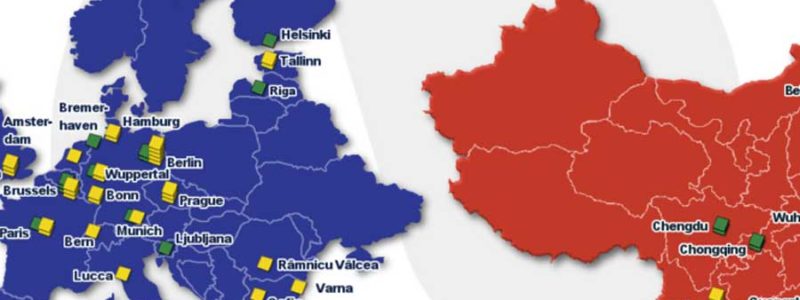
VIDEO: We have a lot of topics in common
Watch now – our brand new film on the unique European-Chinese […]
The EU-China Twinning Programme Explained on IAPS Dialogue
The IAPS Diaologue posted an article about our EU-China Twinning Programme […]
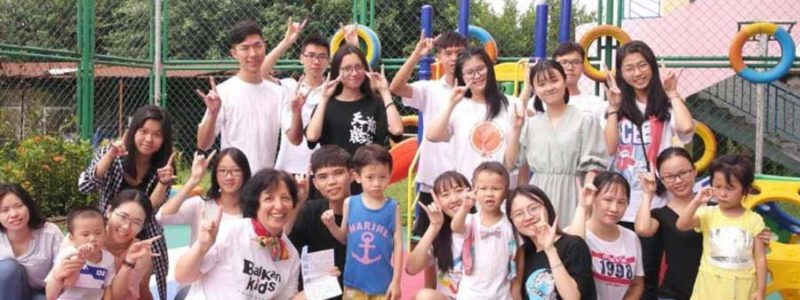
VIDEO: Forum theatre as tool for sexual education
With their great follow-up project in Hei Feng Antoaneta and Zhilu, […]
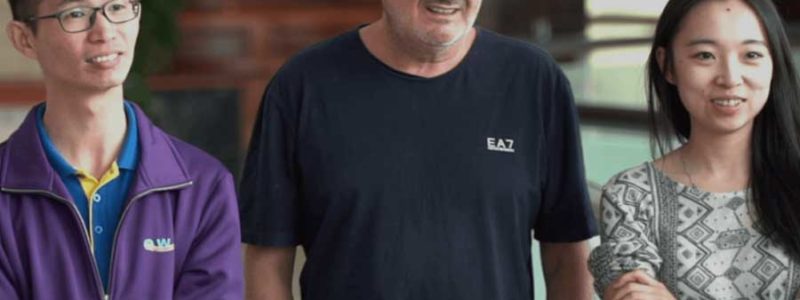
VIDEO: EU-China Twinning Alumni Network Kick-off
A video documentation about the EU-China Twinning Alumni meeting in September […]
TTIP, Anti-Coal Campaigning, Environmental Litigation – how can Chinese and European NGOs collaborate?
Dear colleagues and friends, on behalf of the Stiftung Asienhaus and Climate Action Network Europe we would like to invite you to the following workshop: Berlin: How to Collaborate on climate change, social and environmental justice. EU-China NGO Twinning Exchange...
SAVE THE DATE: 2.11 – 3.11 EU-China NGO Twinning Workshop in Berlin
The Capacity Building and Experience Sharing workshop of this year's Twinning Program is taking place in Berlin. On the 2.11. we are starting at the "Haus der Deutschen Stiftungen" with inputs on EU Legislation and TTIP Negotiations, Citizen Participation in...
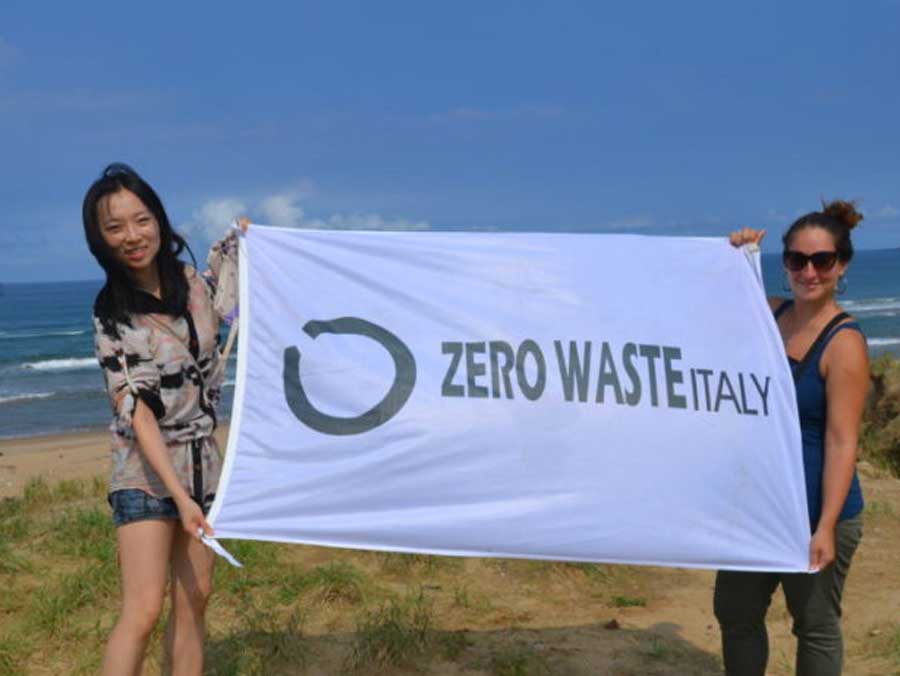
Urban Solid Waste Policy: A Comparison between Capannori and Beijing
Zero Waste Italy & Friends of Nature – In four stages the two former Twinning organizations compared waste production and management in the cities of Cappanori and Beijing.
Stories of Change – Twinners Roland Joebstl and Peter Feldkamp speak at the Beijing Environmental Networking Event “Green Drinks”
The 2016 Twinning program also gave Roland Joebstl, European Environmental Bureau and Peter Feldkamp, Deutsche Umwelthilfe e.V., the opportunity to speak at BJ Green Drinks. A networking event that regularly invites environmental scholars, activists, media and NGOs to...

Full Twinning Report 2015
This full report on the third round of NGO exchange „Twinning: partnerships between European and Chinese NGOs –Social and Environmental Justice - Climate Change & Low Carbon Development” displays the results, synergies, and lessons learned of the third round of...
Testimonials
“My personal highlight was going beyond the cliché of China as a severely disciplined, restrictive country and seeing a welcoming and flourishing environment for business, NGO work and personal well-being.”
“The whole program was a truly enriching experience from which we will all profit for a very long time – true to the spirit of sustainability.”
“This program connects people and nations, and helps us to develop many different methods for our work, thereby fostering our strengths.”